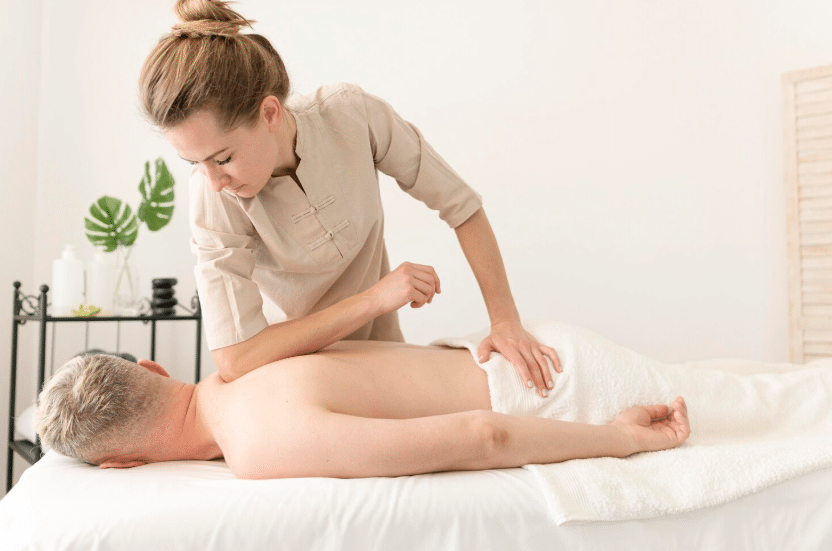
Prenatal massage offers specialized therapeutic care tailored to pregnant women at every stage of their pregnancy. This bodywork technique helps expecting mothers manage physical discomfort, reduce pregnancy-related stress, and boost overall wellness during this life-changing time. A skilled local massage therapist in American Fork uses adapted techniques and positioning to work with the body's changes and address specific pregnancy needs. The practice targets common pregnancy issues such as lower back pain, hip tension, and circulation problems while promoting relaxation for both mom and baby.

Key Benefits of Prenatal Massage Therapy
Pregnancy brings significant physical changes that often result in discomfort and tension throughout the body. Prenatal massage therapy addresses these challenges through targeted techniques that provide both immediate and lasting relief.
Regular sessions can significantly improve sleep quality, which becomes increasingly difficult as pregnancy progresses. Many women report falling asleep more quickly and experiencing deeper, more restorative sleep after massage treatments.
Circulation improvements represent another major advantage. The gentle pressure and specialized strokes help reduce swelling in hands, feet, and legs by encouraging proper blood flow and lymphatic drainage.
Stress reduction plays a huge role in prenatal wellness. The therapeutic touch releases endorphins while lowering cortisol levels, creating a calming effect that benefits both mother and baby. This relaxation response can help manage anxiety about labor, delivery, and the transition to parenthood.
Safety Guidelines for Pregnancy Massage
Professional prenatal massage requires specific safety protocols to protect both mother and child. Working with a certified prenatal massage therapist becomes non-negotiable since they understand the anatomical changes and potential risks involved.
Healthcare provider approval should always come first. Your obstetrician or midwife knows your specific pregnancy circumstances and can advise on whether massage therapy is safe within your care plan.
Certain pregnancy complications may require avoiding massage entirely. High-risk pregnancies, placenta previa, preeclampsia, or a history of preterm labor all warrant extra caution and medical clearance.
The massage therapist should maintain detailed intake forms and ask about your pregnancy history, current symptoms, and any areas of concern. Open communication throughout the session helps ensure comfort and safety.
Specialized Techniques and Positioning
Prenatal massage techniques differ significantly from standard massage approaches. Therapists use lighter pressure and avoid certain areas, like the abdomen, in early pregnancy and specific pressure points that could potentially trigger contractions.
Side-lying positions become standard as pregnancy advances, with supportive cushions and bolsters strategically placed for comfort. This positioning prevents compression of major blood vessels while allowing access to areas needing attention.
Swedish massage forms the foundation of most prenatal sessions, using long, flowing strokes to promote circulation and relaxation. Gentle kneading helps release tension in the shoulders, neck, and back where stress commonly accumulates.
Lymphatic drainage techniques can reduce swelling, particularly in the third trimester when fluid retention becomes more pronounced. These light, rhythmic movements encourage the natural drainage of excess fluids.
Optimal Timing for Starting Prenatal Massage
Most practitioners recommend waiting until the second trimester before beginning prenatal massage therapy. The first trimester carries higher risks, and many women experience increased sensitivity and nausea during this period.
Starting around 14 to 16 weeks provides an ideal balance of safety and benefit. By this time, the pregnancy has typically stabilized, morning sickness often subsides, and the risk of miscarriage decreases significantly.
However, timing can vary based on individual circumstances. Women with normal, low-risk pregnancies may begin earlier with medical approval, while those with complications might need to wait longer or avoid massage altogether.
Frequency often increases as pregnancy progresses. Monthly sessions work well in the second trimester, while weekly appointments can provide optimal support during the final months when discomfort typically intensifies.
Choosing the Right Prenatal Massage Therapist
Finding a qualified prenatal massage therapist requires research and attention to credentials. Look for professionals who have completed specialized training in prenatal massage techniques and hold current certifications.
Experience with pregnant clients matters significantly. Ask potential therapists about their training background, how many pregnant clients they see regularly, and what specific techniques they use for different stages of pregnancy.
The massage environment should accommodate pregnancy needs with adjustable tables, various positioning options, and a comfortable room temperature. Professional therapists will have specialized equipment designed for pregnant clients.
Communication style also plays a role in your experience. The right therapist will listen to your concerns, explain their approach, and adjust techniques based on your feedback throughout the session.
Common Areas of Focus During Treatment
Lower back pain affects nearly every pregnant woman, as the growing belly shifts the center of gravity and strains the supporting muscles. Prenatal massage targets these areas with gentle pressure and stretching techniques.
Hip discomfort often develops as ligaments loosen and the pelvis prepares for delivery. Therapeutic work on the hip flexors and surrounding muscles can provide significant relief from this common pregnancy complaint.
Neck and shoulder tension frequently results from postural changes and the stress of pregnancy. A gentle massage of these areas helps counteract the forward head posture that develops as the body adapts to changes in weight distribution.
Leg cramps and restless leg syndrome can disrupt sleep and daily activities. Massage techniques targeting the calves and feet can improve circulation and reduce these uncomfortable sensations.
The therapist may spend time on hands and wrists if carpal tunnel symptoms develop, which can occur due to fluid retention and postural changes affecting nerve pathways.
This comprehensive approach to prenatal massage ensures that expecting mothers receive targeted relief while maintaining safety throughout their pregnancy journey.
Contact Us
Ready to experience deep relaxation and healing? Reach out to Body Balance Massage and Float today.
TELEPHONE NUMBER
- Reception: (801) 823-2977
- Fax: (801) 697-6510
EMAIL ADDRESS: Clinic@BodyBalanceAF.com
PHYSICAL ADDRESS: 366 South 500 East, Suite B - American Fork, UT 84003
Hours:
- Monday–Saturday: 9:00 AM – 10:00 PM
- Sunday: Closed
DIRECTIONS
We are located just 30 seconds off the freeway in Suite B on the north side of the building. We have a dedicated parking lot, so feel free to park wherever you like and use the front entrance on 500 East. originate within
Related Topics:
- How Prenatal Massages Work
- Is a Prenatal Massage Safe
The post What Is a Prenatal Massage: Complete Guide for Expectant Mothers appeared first on Body Balance Massage and Float.
source https://bbmassageandfloat.com/what-is-a-prenatal-massage/?utm_source=rss&utm_medium=rss&utm_campaign=what-is-a-prenatal-massage