Not every injury calls for firm pressure. And not every injury needs a gentle approach either. Matching the technique to the tissue state is what separates therapeutic massage sessions that produce results from those that cause setbacks.
Here is a clear breakdown of which injuries respond well to firm massage, which require a lighter approach, and how to tell the difference before you book.
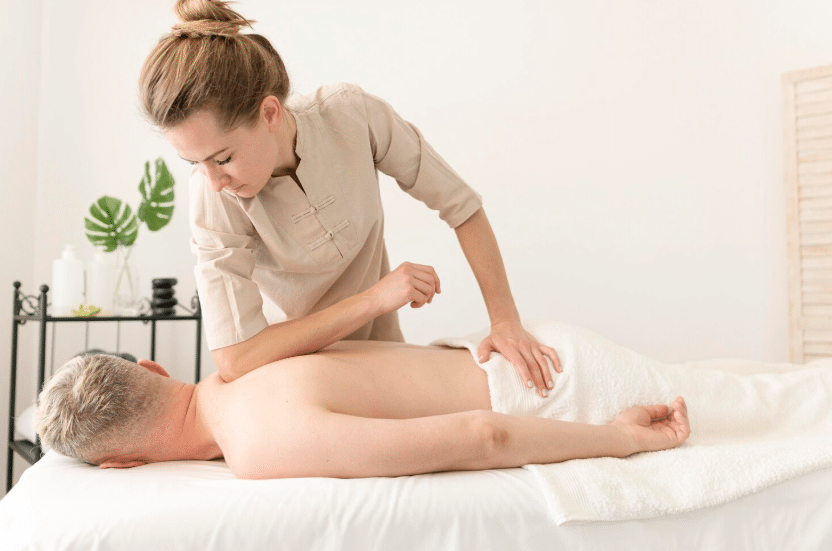
What "Firm Massage" Actually Means
Firm massage is not just pressing harder. It refers to techniques that target deeper layers of muscle tissue, fascia, and connective tissue. Deep tissue massage, trigger point therapy, gua sha (IASTM), and cupping all fall under this category, though each works differently.
What makes them "firm" is the depth of tissue engagement and the intent: these techniques are designed to reach below the superficial muscle layer to address the structures where chronic tension, scar tissue, and restricted movement originate.
Injuries That Respond Well to Firm Massage
Chronic muscle strains: Once the acute inflammatory phase has passed (typically 72 hours or more post-injury), chronic muscle strains benefit from deep tissue and trigger point work. Firm pressure breaks up adhesions and restores normal muscle fiber alignment.
Scar tissue from old injuries: Healed injuries that left behind restricted movement or persistent tightness are well-suited to gua sha/IASTM. The instrument-based technique applies directed pressure along muscle fibers to break up organized scar tissue that hands alone cannot reach effectively.
Tendinopathy: Chronic tendon issues, including Achilles tendinopathy, patellar tendinopathy, and rotator cuff tendinopathy, respond to firm cross-fiber friction and IASTM techniques that stimulate tissue remodeling.
IT band syndrome and overuse injuries: Repetitive strain injuries along the IT band, hip flexors, and lower leg benefit from deep tissue work combined with cupping therapy to release fascial compression.
Trigger points: Specific hyper-irritable spots in muscle tissue that refer pain to other areas of the body require sustained firm pressure to release. Trigger point therapy uses targeted, held pressure directly on the trigger point until the tissue lets go.
When Firm Massage Is Not Appropriate
Acute injuries (within 72 hours): Fresh strains, sprains, and contusions involve active inflammation. Firm pressure during this phase increases swelling and delays healing.
Suspected fractures or tears: Any injury with significant bruising, instability, or loss of function requires medical evaluation before massage.
Active infections or skin conditions: Open wounds, infected tissue, or active inflammatory skin conditions are contraindications to local massage work.
Blood clotting conditions: Anyone on blood thinners or with a history of deep vein thrombosis should consult a physician before receiving deep tissue work.
How to Tell What Your Injury Needs
Two questions help clarify the right approach before booking.
How old is the injury? If it happened in the last 72 hours, start gently. If it is several weeks old or a recurring problem, firm techniques are likely appropriate.
Is there active swelling? Active swelling signals active inflammation. That is a sign to delay firm work until the swelling has resolved.
If you are not sure, the therapists at Body Balance conduct a full intake assessment before every session. You do not need to self-diagnose before booking.
Firm Massage Options at Body Balance in American Fork
Body Balance offers deep tissue massage, trigger point therapy, gua sha/IASTM, and cupping as both primary services and specialty add-ons to any session. All sessions are customized based on the therapist's assessment of the injury and current tissue state.
Specialty modalities (cupping, gua sha, and warm bamboo) are available for $25 per session or included free with the $10/month membership. First-time clients receive 35% off their first session. Book a massage session or review our massage and float therapy membership options.
Book online at bbmassageandfloat.com/booking or call (801) 855-5834. Open Monday through Saturday, 9 AM to 10 PM.
Frequently Asked Questions
Q: Is deep tissue massage safe for a recent injury? A: Not in the first 72 hours for direct work on the injured area. Once the acute phase passes, deep tissue massage supports healing by improving circulation and reducing scar tissue formation.
Q: What is the difference between deep tissue and trigger point therapy? A: Deep tissue massage works through broad layers of muscle to release chronic tension. Trigger point therapy is more targeted, applying sustained pressure to specific hyper-irritable points that cause referred pain elsewhere in the body.
Q: Can cupping replace deep tissue massage for injuries? A: They work differently. Deep tissue uses compression; cupping uses suction. Both reach deep tissue but through opposite mechanisms. For many injuries, combining both in the same session produces results that neither achieves alone.
Q: Will a firm massage hurt? A: Firm techniques applied to tight or damaged tissue produce a sensation of productive discomfort, a feeling of pressure in areas of restriction. This is different from sharp or searing pain, which is a signal to stop. Your therapist at Body Balance monitors your response throughout every session.
Q: How do I know if gua sha is right for my injury? A: Gua sha is most useful for injuries involving scar tissue, restricted range of motion, or persistent tightness in a specific area. It is particularly effective for tendon issues and old strains that have not fully resolved with standard massage.
Related Topics:
The post Which Injuries Should Be Treated with a Firm Massage? appeared first on Body Balance Massage and Float.
source https://bbmassageandfloat.com/injuries-needing-firm-massage/?utm_source=rss&utm_medium=rss&utm_campaign=injuries-needing-firm-massage