Pages

Friday, May 16, 2025

Where to Book Your Next Lymphatic Drainage Massage

Finding the right provider for a lymphatic drainage massage can significantly impact your overall experience and results. Whether seeking relief from swelling, improved circulation, or enhanced immune function, consulting with a local masseur in American Fork or another qualified specialist is key to receiving proper treatment. This guide explores five excellent options for booking your next lymphatic drainage session, from traditional spa environments to at-home services, helping you determine which setting best matches your personal preferences, comfort level, and specific health needs.


Local Spas

When searching for where to book your next lymphatic drainage massage, consider local spas in your area for a convenient and rejuvenating experience. These spas often offer specialized services focused on relaxation and wellness, making them ideal for your lymphatic drainage needs. Local spas typically employ trained professionals who understand the complexities of this massage technique, ensuring you receive a high-quality treatment. By choosing a local spa, you support businesses in your community and can easily integrate these sessions into your regular self-care routine. Whether you're looking to reduce swelling, improve circulation, or unwind, local spas provide a tranquil environment where you can relax and reap the benefits of lymphatic drainage massage.

Wellness Centers

Consider exploring wellness centers for a thorough approach to booking your next lymphatic drainage massage. Wellness centers offer a comprehensive approach to health and well-being, focusing on physical, mental, and emotional wellness. These centers often have a team of skilled professionals who can tailor your lymphatic drainage massage to suit your specific needs. By choosing a wellness center, you can benefit from a range of services such as nutritional counseling, yoga classes, and mindfulness workshops, complementing the effects of your massage. Moreover, these centers create a serene and relaxing environment, enhancing the overall experience of your lymphatic drainage massage. Take the opportunity to rejuvenate your body and mind by considering a wellness center for your next massage session.

Specialized Massage Clinics

For a targeted and specialized approach to your next lymphatic drainage massage, exploring specialized massage clinics can provide you with tailored treatments and expertise. These clinics offer a wealth of benefits:

  • Highly trained therapists specializing in lymphatic drainage techniques.
  • Advanced equipment specifically designed for lymphatic massage.
  • Customized treatment plans to address your unique needs effectively.
  • Access to additional services like compression therapy for enhanced results. Choosing a specialized massage clinic ensures that you receive precise and focused care from professionals who understand the complexities of lymphatic drainage. Book your session at one of these clinics to experience a top-tier treatment that prioritizes your well-being.


Holistic Healing Centers

Explore the holistic healing centers in your area for a complete approach to your next lymphatic drainage massage experience. These centers offer a wide range of services focusing on healing the mind, body, and spirit. By incorporating various alternative therapies such as acupuncture, Reiki, aromatherapy, and nutritional counseling, holistic healing centers aim to address the root cause of any imbalances in the body. During your lymphatic drainage massage session at a holistic healing center, you can expect a tailored treatment plan that considers your overall well-being. These centers provide a tranquil and nurturing environment that promotes relaxation and rejuvenation. Embrace a comprehensive approach to wellness by booking your lymphatic drainage massage at a holistic healing center today.

Mobile Massage Services

You can enjoy the convenience and luxury of a lymphatic drainage massage right in the comfort of your own space by opting for mobile massage services. Here are some compelling reasons why mobile massage services could be the perfect choice for your next lymphatic drainage massage:

  • Personalized Experience: Tailored sessions to meet your specific needs.
  • Time-Saving: No commute means more time for relaxation.
  • Comfort: Enjoy the familiar and cozy environment of your own home.
  • Flexibility: Choose a time that suits your schedule best. With mobile massage services, you can elevate your lymphatic drainage massage experience while reveling in the comfort and convenience of your surroundings.

Other Related Articles:

  • What Is a Float Session
  • Peeing in a Float Tank

The post Where to Book Your Next Lymphatic Drainage Massage appeared first on Body Balance Massage and Float.


source https://bbmassageandfloat.com/where-to-book-your-next-lymphatic-drainage-massage/?utm_source=rss&utm_medium=rss&utm_campaign=where-to-book-your-next-lymphatic-drainage-massage

Lymphatic Drainage for Sick Days: What You Need to Know

When you're feeling under the weather, your body's natural healing processes need all the support they can get. Lymphatic drainage, a specialized technique often recommended by a professional massage therapist in American Fork or other wellness providers, can be valuable to your recovery toolkit. This gentle yet effective approach helps reduce swelling, supports immune function, and promotes the body's natural healing mechanisms when battling illness. Understanding how lymphatic drainage works, when to use it (and when to avoid it), and how to incorporate it into your sick-day self-care routine can significantly affect how quickly you bounce back from illness.


Benefits of Lymphatic Drainage

One key advantage of lymphatic drainage is that it helps alleviate swelling and inflammation in the body. The lymphatic system plays a vital role in immune function, and when it becomes sluggish or overwhelmed, swelling can occur due to fluid retention and inflammation. By promoting the movement of lymph fluid through gentle massage techniques, lymphatic drainage aids in reducing this swelling and inflammation, assisting the body in healing more effectively. Research has shown that lymphatic drainage can also enhance the immune response by increasing the circulation of lymphocytes, key cells in the body's defense against infections. Hence, integrating lymphatic drainage techniques into your wellness routine can be advantageous for supporting your body's natural healing processes during sick days.


Techniques for Lymphatic Drainage

To effectively perform lymphatic drainage, skilled practitioners utilize gentle massage techniques that promote the movement of lymph fluid in the body. One common technique is called the stationary circle massage, where light pressure is applied in circular motions on lymph node areas to encourage lymph flow. Another method involves the pumping technique, where rhythmic movements stimulate lymphatic vessels. Furthermore, the long strokes technique helps move lymph fluid towards the lymph nodes for drainage. Maintaining a gentle touch during these techniques is vital to prevent discomfort or damage to the lymphatic system. Incorporating these methods into your lymphatic drainage routine can effectively support the body's natural detoxification process and promote overall wellness.


When to Avoid Lymphatic Drainage

When should lymphatic drainage be avoided to prevent potential complications or adverse effects on the body? It is essential to avoid lymphatic drainage in certain conditions to prevent harm. If you have an active infection, such as a skin infection or a fever, it is best to refrain from lymphatic drainage as it can spread the infection further in the body. Moreover, if you are experiencing acute inflammation or have a history of deep vein thrombosis, avoid lymphatic drainage to prevent exacerbating these conditions. Lymphatic drainage is also contraindicated in cases of congestive heart failure or untreated cancer. Always consult a healthcare professional before proceeding with lymphatic drainage if you have any concerns about your health status.


Self-Care Tips for Sick Days

During sick days, practicing self-care is vital for supporting your body's recovery and overall well-being. Stay well-hydrated by drinking plenty of fluids like water, herbal teas, or clear broths to optimize your healing process. Rest is important, so listen to your body and prioritize adequate sleep. Consuming nutrient-rich foods such as fruits, vegetables, and lean proteins can provide the essential vitamins and minerals needed for recovery. Over-the-counter medications may help alleviate symptoms, but always consult a healthcare professional before taking any. Keep your environment clean and well-ventilated to prevent the spread of illness. Remember to wash your hands frequently and practice good respiratory hygiene to protect yourself and others.


Professional Lymphatic Drainage Services

Professional lymphatic drainage services offer effective techniques to support your body's natural detoxification process and enhance recovery during illness. Certified therapists use gentle, rhythmic movements to stimulate the lymphatic system, helping to remove toxins, reduce inflammation, and boost immune function. By promoting the flow of lymph fluid, these sessions can alleviate swelling, enhance tissue regeneration, and improve overall well-being. Lymphatic drainage may aid in relieving symptoms of conditions like colds, flu, and sinus congestion. In addition, it can accelerate healing after surgeries or injuries by reducing swelling and promoting tissue repair. Seeking professional lymphatic drainage services from trained practitioners can provide targeted support to optimize your body's ability to combat illness and enhance recovery.


Other Related Articles:

The post Lymphatic Drainage for Sick Days: What You Need to Know appeared first on Body Balance Massage and Float.


source https://bbmassageandfloat.com/lymphatic-drainage-for-sick-days-what-you-need-to-know/?utm_source=rss&utm_medium=rss&utm_campaign=lymphatic-drainage-for-sick-days-what-you-need-to-know

Wednesday, April 23, 2025

What Essential Oil Repels Ants: Natural Solutions for Pest Control

As we investigate the world of natural pest control, the question of which essential oil repels ants emerges as a key point of interest. Many homeowners are turning to holistic methods that avoid harsh chemicals, and consulting with an expert masseur who understands aromatherapy can provide unexpected insights into effective solutions. Essential oils have gained popularity for their ability to deter ants without introducing toxins into your home environment. But which specific oil stands out as the most effective ant-repelling solution? Let's explore the properties of these oils and uncover the science behind their pest control capabilities.


Benefits of Using Essential Oils

Essential oils offer numerous advantages for repelling ants due to their natural properties that deter these insects effectively. These oils contain compounds such as limonene, eucalyptol, and citronellal, which disrupt ants' pheromone trails, making it difficult for them to communicate and navigate. When ants encounter certain essential oils, their sensory receptors become overwhelmed, causing confusion and avoidance of the scented area. Additionally, some essential oils possess insecticidal properties that can harm ants upon contact. Using essential oils as ant repellents provides a non-toxic and environmentally friendly alternative to synthetic pesticides, making them ideal for households with children, pets, or environmental concerns.


Top Essential Oils for Ants

Several essential oils have proven remarkably effective in repelling ants by disrupting their pheromone trails and overwhelming their sensory systems. Peppermint oil ranks among the best options, with its strong scent that masks ants' chemical signals. Tea tree oil contains terpenes that ants find repulsive and avoid at all costs. Eucalyptus oil works powerfully due to its high concentration of cineole, which interferes with ants' communication abilities. Citrus oils like lemon and orange also effectively deter ants through their natural compounds. These oils can be used alone or combined to create potent ant-repellent solutions that remain safe for indoor environments while keeping the tiny invaders at bay.


How to Make DIY Ant Repellent Sprays

Creating effective DIY ant repellent sprays begins with selecting essential oils known for their ant-repelling qualities. Oils like peppermint, tea tree, lemon, eucalyptus, and lavender work well because ants strongly dislike their scents. For a basic spray, combine 10-15 drops of your chosen essential oil with a cup of water in a spray bottle. Shake thoroughly before each application to distribute the oil evenly throughout the water. Apply this mixture along ant trails, at entry points, and in areas where you commonly spot ants. Reapply every few days or after cleaning to maintain effectiveness. Try different oils or combinations to determine which works best for your specific ant situation.


Tips for Using Essential Oils Effectively

When applying essential oils as ant repellents, proper concentration and consistent application significantly impact their effectiveness. Dilute essential oils in a carrier oil or water using 2-3 drops per ounce to balance potency and safety. Target application directly at entry points, visible ant trails, and known infestation areas. Plan to reapply every 2-3 days or immediately after cleaning treated surfaces. Since essential oils naturally evaporate over time, regular reapplication maintains their deterrent effect. For particularly stubborn infestations, increase application frequency rather than concentration. By following these guidelines with your chosen oils, you'll maximize their ant-repelling potential without resorting to chemical pesticides.


Additional Natural Ant Repellent Methods

Beyond essential oils, several other natural approaches can strengthen your ant control strategy. Creating physical barriers with substances like diatomaceous earth or cinnamon powder at entry points prevents ants from accessing your living spaces. These materials create obstacles that ants avoid crossing, effectively blocking their usual routes. Maintaining cleanliness proves equally important—regularly sweeping, mopping, and wiping surfaces eliminates food residue and disrupts scent trails that guide ants. Vinegar solutions (one part vinegar to one part water) can erase existing ant trails when sprayed and wiped along their paths. Combining these physical and hygiene-based methods with essential oil applications creates a comprehensive natural approach to keeping ants at bay.


Other Related Articles:

The post What Essential Oil Repels Ants: Natural Solutions for Pest Control appeared first on Body Balance Massage and Float.


source https://bbmassageandfloat.com/what-essential-oil-repels-ants/?utm_source=rss&utm_medium=rss&utm_campaign=what-essential-oil-repels-ants

What Is Spearmint Essential Oil Good For: Versatile Benefits for Health and Home

As we explore the world of essential oils, the multifaceted nature of spearmint essential oil stands out among practitioners and enthusiasts alike. From promoting relaxation and mental clarity to enhancing skin health and providing natural cleaning alternatives, this versatile oil offers remarkable benefits for both personal wellness and household use. Many clients who visit our dependable massage team in American Fork have experienced firsthand how spearmint oil can elevate daily routines and contribute to a healthier lifestyle. Let's discover the various ways this valuable oil can be incorporated into your wellness practices and home care regimen.


Aromatherapy Benefits

When using spearmint essential oil in aromatherapy, we experience a sense of calm and relaxation that envelops both mind and body. The invigorating scent helps uplift spirits and dispel feelings of stress or anxiety. By diffusing this oil, we create a soothing atmosphere that promotes mental clarity and emotional balance. The therapeutic properties of spearmint make it valuable for enhancing overall well-being. Its fresh, minty aroma can reduce feelings of fatigue and boost energy levels. Incorporating spearmint oil into an aromatherapy routine provides a comprehensive approach to achieving inner peace and tranquility.


Skin and Hair Care

Utilizing spearmint essential oil in skincare and hair care routines offers numerous benefits for overall wellness. This invigorating oil possesses antibacterial and antifungal properties, making it effective against acne and skin infections. When added to skincare products, spearmint oil helps balance oily skin and reduce inflammation, leaving skin clear and rejuvenated. For hair care, it stimulates the scalp, promoting healthy growth and reducing dandruff. The cooling sensation provides relief for itchy scalp conditions. By incorporating spearmint essential oil into daily beauty routines, we can harness its therapeutic properties for healthier skin and more vibrant hair.


Digestive Support

Spearmint essential oil provides valuable digestive support, offering a natural remedy for various gastrointestinal discomforts. This fragrant oil eases indigestion, bloating, and stomach cramps. Diluting a few drops with carrier oil and gently massaging onto the abdomen helps soothe digestive issues and promote better gut health. Inhaling the aroma stimulates the digestive system and reduces nausea. Whether used in aromatherapy or applied topically, spearmint essential oil serves as a gentle yet effective digestive aid, contributing to overall digestive tract wellness.


Natural Cleaning Solutions

We can utilize the purifying power of spearmint essential oil to create effective natural cleaning solutions for our homes. Its antibacterial and antifungal properties make it excellent for disinfecting various surfaces. Combining a few drops with water and white vinegar in a spray bottle creates a potent all-purpose cleaner for countertops, kitchen appliances, and bathrooms. Adding spearmint oil to homemade laundry detergent helps eliminate odors and leaves clothes smelling fresh. Embracing this essential oil in cleaning routines promotes a healthier living environment while adding a revitalizing aroma to your space.


Mood Enhancement

The invigorating properties of spearmint essential oil play a significant role in enhancing mood and promoting emotional well-being. When diffused or inhaled, its rejuvenating aroma helps uplift spirits, reduce stress and anxiety, and increase mental clarity. The energizing scent creates a sense of alertness and focus, making it valuable for improving overall emotional state. Spearmint essential oil can also be used in massage blends to help relax both body and mind, further contributing to a sense of well-being. Incorporating this oil into your daily routine provides a natural approach to enhancing mood and promoting emotional balance.


Other Related Articles:

The post What Is Spearmint Essential Oil Good For: Versatile Benefits for Health and Home appeared first on Body Balance Massage and Float.


source https://bbmassageandfloat.com/what-is-spearmint-essential-oil-good-for/?utm_source=rss&utm_medium=rss&utm_campaign=what-is-spearmint-essential-oil-good-for

Friday, April 18, 2025

What Is Orange Essential Oil Good for

Many people seek natural remedies to enhance their wellness routines. Orange essential oil has emerged as a versatile option with numerous applications across different aspects of daily life. Whether you're looking to improve your mood, enhance your skincare regimen, or seeking advice from a professional masseur about complementary therapies, this citrus oil offers remarkable versatility. While its bright scent is immediately recognizable, the full spectrum of benefits may surprise you. Let's explore how this vibrant oil can positively impact various aspects of your health and home environment.


Aromatherapy Benefits

Orange essential oil is widely utilized in aromatherapy for its invigorating and energizing properties. When diffused, its citrusy scent helps enhance mood and reduce feelings of stress and anxiety. This oil has stimulating effects on both the mind and body, making it a popular choice for promoting focus and concentration. Its energizing aroma combats feelings of fatigue and boosts overall energy levels. Many people use orange essential oil in aromatherapy to create a revitalizing atmosphere in living or working spaces. The bright, cheerful fragrance uplifts spirits and fosters a sense of positivity and well-being in any environment.


Skin Care Uses

Incorporating essential oils into your skincare routine offers numerous benefits for your skin's health and appearance. Orange essential oil, with its antiseptic and anti-inflammatory properties, helps combat acne and reduces redness and irritation. Its high antioxidant content protects skin from environmental stressors, promoting a more youthful and radiant complexion. This oil also increases collagen production, aiding in skin elasticity and firmness. When properly diluted, orange essential oil works well in various skincare applications such as facial toners, serums, and masks. Always perform a patch test before using it to ensure compatibility with your skin.


Mood Enhancement

Essential oils provide a natural and effective way to uplift spirits and promote emotional well-being. Orange essential oil's bright and invigorating scent is particularly known for its mood-boosting properties. The citrusy aroma energizes and uplifts, making it ideal for improving emotional states. Inhaling orange essential oil stimulates the brain's limbic system, which controls emotions and memories, creating feelings of joy and relaxation. Diffusing orange oil in your living space or adding a few drops to your bath creates a cheerful atmosphere and helps alleviate stress or anxiety. Regular use of orange essential oil for mood enhancement contributes to a more positive and balanced emotional state.


Household Cleaning

Essential oils offer natural and effective solutions for household cleaning tasks. Orange essential oil, with its antibacterial and antifungal properties, serves as a powerful addition to your cleaning routine. Here are three ways orange essential oil enhances cleaning:

  1. All-Purpose Cleaner: Mix orange essential oil with water and vinegar for a fresh-smelling solution that works on various surfaces.
  2. Deodorizer: Combine a few drops of orange essential oil with baking soda to create a natural deodorizer for carpets, trash cans, or shoes.
  3. Grease Cutter: Orange essential oil cuts through kitchen grease and grime, simplifying post-cooking cleanup.


Immune Support

Supporting our immune system remains crucial for overall health. Orange essential oil contains compounds like limonene that offer immune-boosting effects. Limonene's antimicrobial properties help combat harmful pathogens and support the body's natural defense mechanisms. The uplifting scent of orange essential oil reduces stress, which positively impacts immune function. When diffused or applied topically with a carrier oil, orange essential oil promotes a sense of wellness and vigor. Incorporating this oil into daily routines provides a natural way to support immune health and overall wellbeing.


Other Related Articles:

The post What Is Orange Essential Oil Good for appeared first on Body Balance Massage and Float.


source https://bbmassageandfloat.com/what-is-orange-essential-oil-good-for/?utm_source=rss&utm_medium=rss&utm_campaign=what-is-orange-essential-oil-good-for

What Essential Oil Is Good for Congestion

When dealing with congestion, finding natural remedies can provide welcome relief without the side effects of medication. Many people seek alternatives that complement traditional treatments, and essential oils have become a popular option. Working with a reliable massage team in American Fork can enhance the benefits of these oils through targeted therapeutic techniques. This guide examines five powerful essential oils known for their effectiveness against congestion, explaining their unique properties and how to use them safely for respiratory relief.


Eucalyptus Oil

Eucalyptus oil stands out as a natural remedy for congestion thanks to its powerful decongestant properties. Derived from eucalyptus tree leaves, it contains cineole, a compound that effectively breaks up mucus and clears respiratory passages. Inhaling eucalyptus oil provides quick relief from nasal congestion and sinus pressure. To use it, add several drops to hot water and breathe in the steam, or mix with a carrier oil for chest application. Always dilute properly before use, as eucalyptus oil's potency can be intense. This natural approach offers an effective way to manage congestion without relying solely on over-the-counter medications.


Peppermint Oil

Peppermint oil offers natural congestion relief through its refreshing scent and menthol content. When inhaled, it opens airways and eases breathing difficulties. This essential oil also contains antibacterial properties, particularly helpful when congestion stems from infection. For relief, add a few drops to steaming water and inhale deeply, or blend with a carrier oil before applying to your chest. Proper dilution prevents skin irritation while maximizing benefits. Peppermint oil serves as a versatile addition to your congestion-fighting arsenal, delivering both respiratory relief and an invigorating aroma that helps clear the mind while opening breathing passages.


Tea Tree Oil

Tea Tree Oil provides a natural and effective solution for congestion sufferers. Extracted from Melaleuca alternifolia leaves, this oil contains powerful antibacterial and anti-inflammatory compounds that help clear nasal passages and improve breathing. Its ability to reduce inflammation while fighting respiratory infections makes it valuable for congestion relief. To benefit from Tea Tree Oil, add several drops to hot water and inhale the steam, or mix with a carrier oil for chest application. Before using on skin, perform a patch test to check for sensitivities. Those with persistent symptoms should consult healthcare professionals before beginning any aromatherapy regimen.


Lavender Oil

Lavender Oil offers gentle yet effective relief for congestion and respiratory discomfort. Its anti-inflammatory properties help reduce nasal passage swelling, making breathing easier. Beyond physical benefits, lavender's calming effect helps alleviate stress that often worsens congestion symptoms. For congestion relief, add several drops to steaming water and inhale deeply, or blend with a carrier oil before applying to chest or neck areas. Always conduct a patch test before skin application to prevent adverse reactions. Lavender Oil provides a soothing option for managing congestion naturally while promoting relaxation—a dual benefit particularly helpful when congestion disrupts sleep patterns.


Rosemary Oil

Rosemary Oil offers natural relief from congestion by addressing respiratory discomfort at its source. Known for its decongestant properties, this oil effectively clears nasal passages and promotes easier breathing. It works by reducing respiratory tract inflammation, alleviating congestion and sinus pressure. Additionally, its antimicrobial qualities help combat respiratory infections that may cause congestion. For best results, add several drops to hot water and inhale the steam, or mix with a carrier oil before applying to chest and throat areas. When used correctly, Rosemary Oil becomes a valuable tool for managing congestion while providing a refreshing herbal scent that stimulates mental clarity—a welcome bonus when fighting through stuffiness.


Other Related Articles:

The post What Essential Oil Is Good for Congestion appeared first on Body Balance Massage and Float.


source https://bbmassageandfloat.com/what-essential-oil-is-good-for-congestion/?utm_source=rss&utm_medium=rss&utm_campaign=what-essential-oil-is-good-for-congestion

Tuesday, March 18, 2025

What Are the Disadvantages of Float Therapy

When considering float therapy, it’s important to be aware of potential drawbacks that may affect your experience. Sensory overload, claustrophobia, skin irritation, nausea, and the overall cost are factors to consider before you step into the float tank. By recognizing these disadvantages, you can make an informed decision about whether float therapy aligns with your needs and preferences. If you're seeking a relaxing, therapeutic experience, you might also want to explore the services offered by the top massage team in American Fork for a broader wellness approach.


Sensory Overload

Sensory overload can occur during float therapy sessions when the absence of external stimuli heightens internal sensations, potentially leading to discomfort. This heightened awareness of internal processes can be overwhelming for some, causing anxiety or unease. The lack of external distractions in the sensory deprivation tank can make individuals hyper-aware of even the smallest movements or sounds within their bodies. This intense focus on internal sensations may trigger disorientation or vulnerability in certain individuals, which can detract from the relaxation typically experienced during float therapy. It's important for both practitioners and clients to understand the possibility of sensory overload to ensure a safe and comfortable experience.


Claustrophobia Concerns

Float therapy can also pose challenges for individuals who experience claustrophobia concerns. In such cases, the enclosed space of a float tank may trigger feelings of anxiety and discomfort. Here are some reasons claustrophobia concerns may arise during float therapy:

- Limited space within the float tank

- The sensation of being enclosed in a pod

- Potential feelings of confinement

- Reduced ability to move freely

- Diminished control over the environment

For those with claustrophobia, the enclosed nature of float tanks may exacerbate feelings of being trapped or confined, leading to a less-than-ideal experience during the session. It is essential for individuals with claustrophobia concerns to take into account these factors before engaging in float therapy.


Skin Irritation Risks

A potential risk of float therapy is skin irritation due to prolonged exposure to the Epsom salt solution in the tank. The high concentration of Epsom salt can cause dryness, itching, or redness of the skin, particularly for individuals with sensitive skin or conditions like eczema. The solution’s high salinity can strip the skin of natural oils, potentially leading to irritation. To minimize this risk, it's recommended to shower before and after the float session to remove any residual salt. If you have sensitive skin, applying a barrier cream before the session can also help protect your skin. Staying well-hydrated can further support skin health during therapy.


Potential Nausea

Prolonged exposure to the Epsom salt solution in the float tank may result in potential feelings of nausea for some individuals undergoing float therapy sessions. When experiencing nausea during float therapy, you may encounter the following sensations:

- Waves of dizziness that wash over you intermittently.

- A queasy feeling in your stomach that lingers throughout the session.

- Cold sweats breaking out as your body reacts to the discomfort.

- The sensation of imbalance or unsteadiness when trying to move.

- A lingering unease that persists even after exiting the float tank.

It's crucial to listen to your body and communicate any feelings of nausea to your float therapy provider to guarantee a safe and comfortable experience.


Cost Considerations

One of the primary factors to consider is the cost of float therapy. A single session typically ranges from $50 to $100, depending on location, session length, and available amenities. Some centers offer package deals or memberships that can help reduce the cost per session, which may make it more affordable for those looking to commit to regular float therapy. However, for some individuals, the ongoing expense may be a deterrent. It’s important to evaluate how frequently you plan to use float therapy and whether it fits within your budget. While the benefits can be significant, it's necessary to weigh the financial commitment against the wellness benefits to determine if float therapy is a good long-term investment.


Other Related Articles:

The post What Are the Disadvantages of Float Therapy appeared first on Body Balance Massage and Float.


source https://bbmassageandfloat.com/what-are-the-disadvantages-of-float-therapy/?utm_source=rss&utm_medium=rss&utm_campaign=what-are-the-disadvantages-of-float-therapy

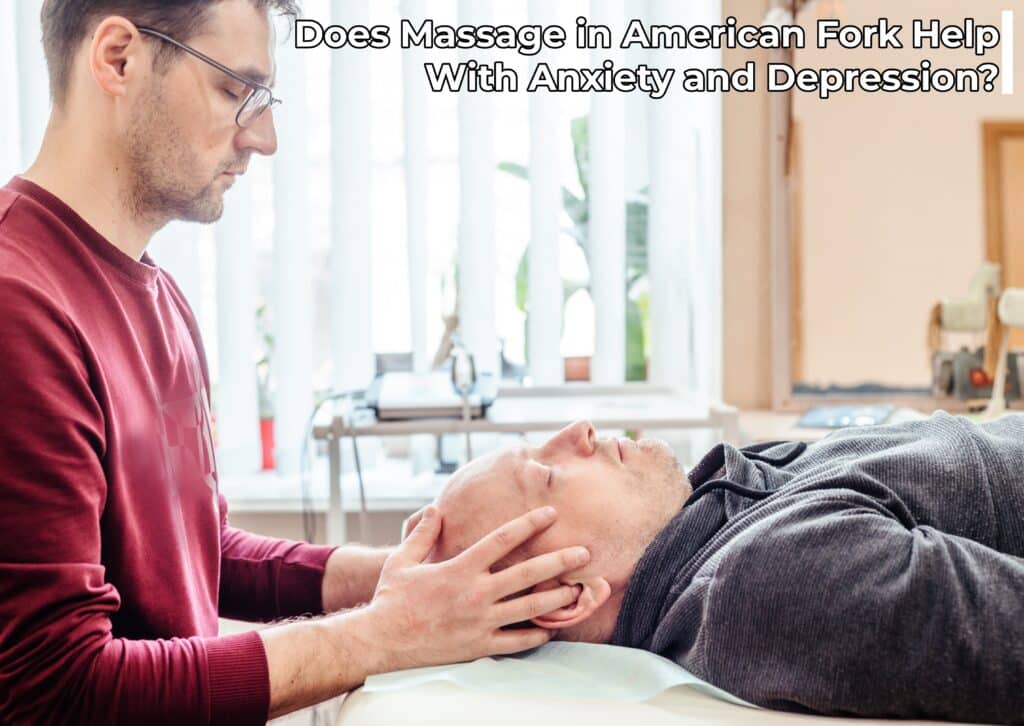
Does Massage in American Fork Help With Anxiety and Depression?

The short answer is yes, massage can help, though "help" means something specific here that's worth unpacking. Massage doesn...