Pages

Sunday, April 19, 2026

Top 5 Relaxation Techniques Before Your Massage

Most of the tension your therapist works against during a session did not arrive that morning. It built over days, weeks, or longer. That is part of what makes reputable massage therapy effective at addressing deep-seated tension that accumulates over time. And when you arrive still carrying the stress of the day, it takes time, sometimes a significant portion of your session, to get the nervous system settled enough for the work to reach full depth.

What you do in the hour or two before your appointment changes how your body responds on the table. These five techniques are straightforward, take little time, and make a real difference in what your therapist can accomplish.
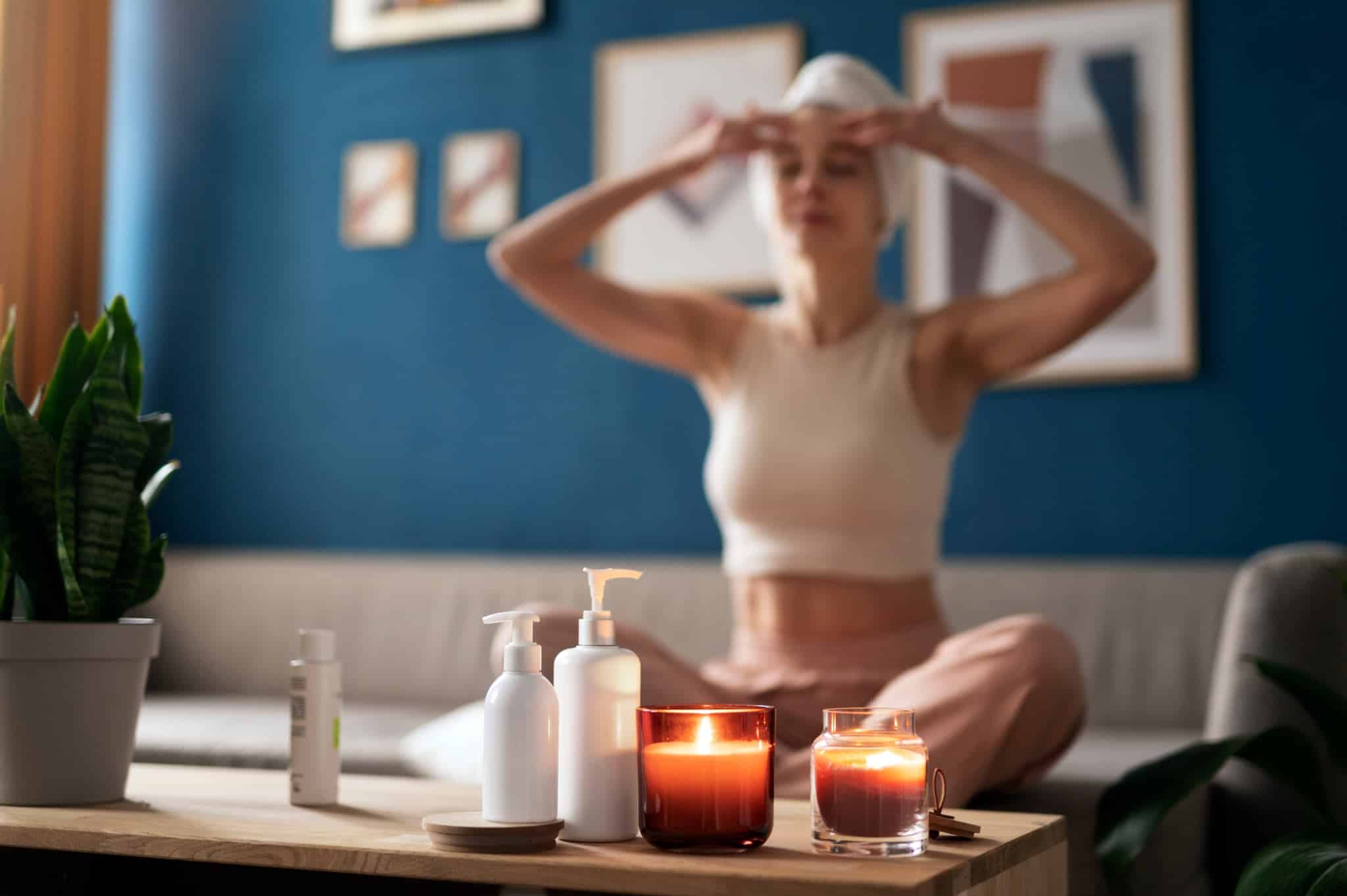
 

1. Take a Warm Shower or Bath

Heat relaxes muscle tissue before any hands-on work begins. A warm shower 30 to 60 minutes before your session increases blood flow to the surface, softens the fascia, and reduces the initial resistance your therapist encounters when they begin working deeper layers.

If you are coming in for deep tissue massage or a session that includes cupping or Gua Sha, pre-session heat makes the work more comfortable and more effective. The tissue responds faster when it is already warm.


2. Arrive Early and Sit Quietly

We ask all clients to arrive 15 minutes before their session. This is not just for paperwork. It is to give your nervous system time to shift out of whatever state you arrived in.

Driving to an appointment, navigating parking, rushing through a waiting room, all of that activates the stress response. If you go directly from that state to the table, the first several minutes of your session are spent unwinding what just happened in the parking lot rather than addressing what has been building all week.

Arriving early, sitting quietly, and letting the environment do its job gives your body a head start. You get more out of the time your therapist spends on the actual work.


3. Do a Few Minutes of Slow, Deep Breathing

Controlled breathing is one of the most direct ways to activate the parasympathetic nervous system, the state that supports relaxation and recovery. It does not require a practice or a routine. A few minutes of slow, deliberate breath before your session is enough to shift the baseline.

A simple approach: inhale for four counts, hold for four, exhale for six. Repeat for three to five minutes. The extended exhale is the part that signals the nervous system to downshift.

This pairs well with float therapy as well. Clients who come in already breathing slowly tend to reach the deep rest state faster during a float session, especially first-timers who need to settle before the environment can do its work.


4. Hydrate Before and After

Muscle tissue that is well-hydrated responds better to massage pressure and recovers faster after a session. Dehydrated tissue is denser and less pliable, which means more resistance for your therapist and more discomfort for you during deeper techniques.

Drink water in the hours leading up to your session. Avoid alcohol before massage, which dehydrates the tissue and blunts the nervous system response. After your session, continue drinking water through the rest of the day. This supports the tissue recovery process and helps clear any metabolic waste that the massage released into circulation.


5. Think Through What You Want to Address

This one takes two minutes and is consistently underused. Before your session, think specifically about what you want to address. Not vaguely ("my back is tight") but specifically: where the pain is located, when it tends to be worse, what makes it better or worse, and whether it has changed since your last visit.

Our therapists ask questions at the start of every session. The more specific your answers, the better the therapist can target the session toward what will actually help. A client who says "my lower back has been worse since I started working from a new desk two weeks ago" gives the therapist far more to work with than "my back hurts."

If you have a specific injury, have had recent surgery, or are pregnant, let us know when you book so we can prepare accordingly. Prenatal clients, for example, should mention their trimester so the therapist can set up positioning in advance.


Related Topics:


The post Top 5 Relaxation Techniques Before Your Massage appeared first on Body Balance Massage and Float.


source https://bbmassageandfloat.com/top-5-relaxation-techniques-before-massage/?utm_source=rss&utm_medium=rss&utm_campaign=top-5-relaxation-techniques-before-massage

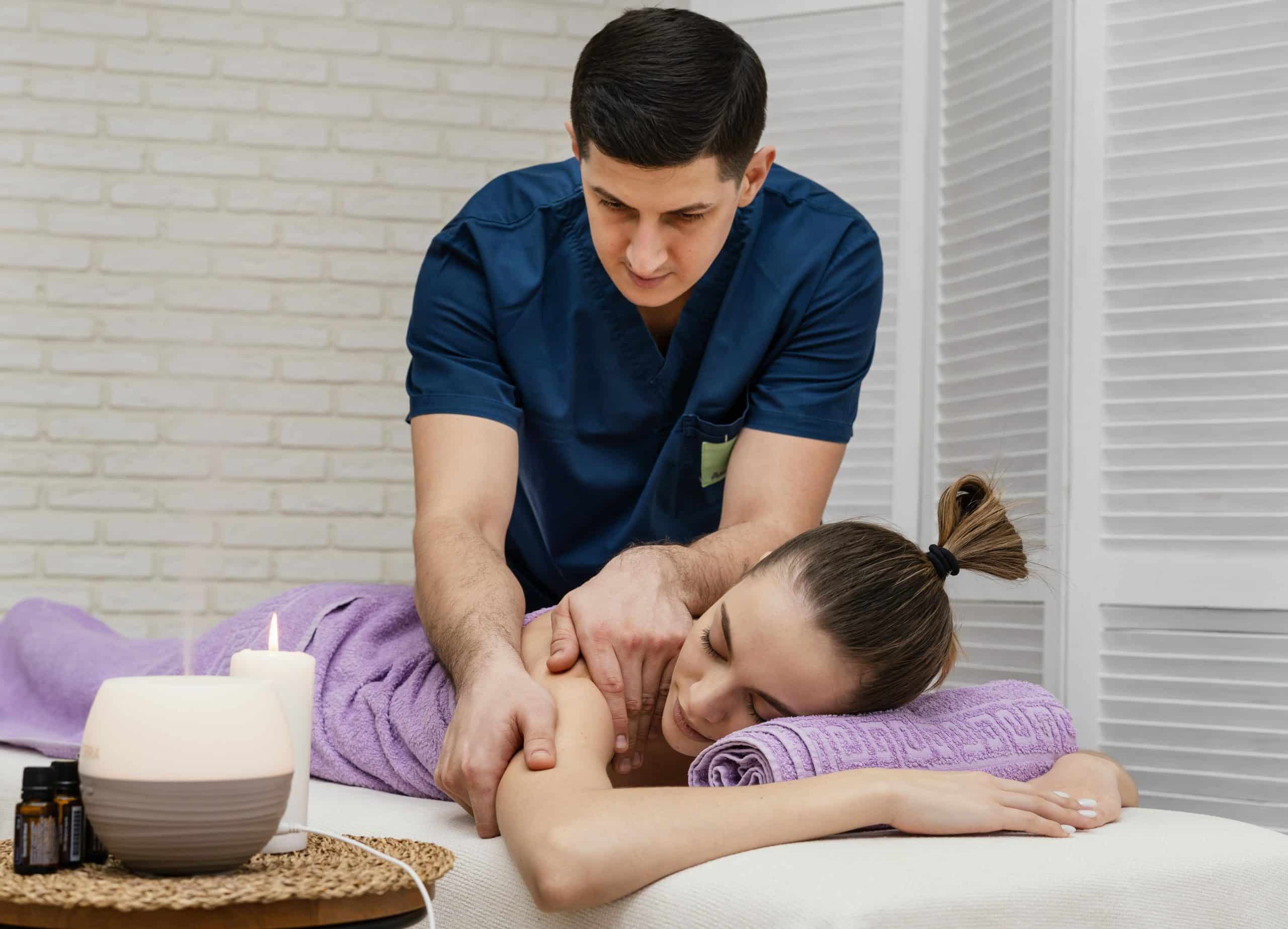
How Often Should You Get a Massage in American Fork?

The honest answer is: it depends on why you are coming in.

Frequency is not one-size-fits-all. A runner preparing for a race needs a different schedule than someone managing chronic neck pain. Someone dealing with anxiety has different needs than someone who simply wants to stay ahead of tension before it builds into a problem. Getting the frequency right matters because the right schedule produces compounding results. The wrong one means you keep starting over. 

Our highly-rated massage services in American Fork work with clients across all of those situations. What follows is a practical breakdown by goal. 


How Often Should You Get a Massage for Chronic Pain?

For chronic pain, whether that is lower back tension, recurring headaches, hip tightness, or stiff shoulders, consistency produces better outcomes than any single session.

Most clients dealing with long-standing pain see the most meaningful progress with biweekly sessions for the first four to six weeks, then monthly maintenance once the tissue starts responding. One session can provide relief. But chronic conditions often involve layers of restriction that have built up over months or years. Working through them takes time and repetition.

Our therapists assess the source of your pain at every visit, not just the area where it hurts, but the connected tissue and muscle groups that may be driving the problem. Techniques like deep tissue massage, trigger point therapy, and cupping are particularly effective for chronic presentations. That assessment shapes how frequently we recommend you come back.


How Often Should Athletes Book a Massage?

For athletes and active adults, runners, cyclists, gym-goers, recreational sports players, the timing of massage matters as much as the frequency.

During active training, once every one to two weeks keeps soreness from compounding and maintains range of motion. During race or competition prep, one session five to seven days before an event is generally better than the day before, which can leave muscles feeling worked rather than ready. Post-event recovery benefits from one session within 48 to 72 hours of a race or heavy effort.

We offer sports massage combined with Gua Sha or cupping for athletes who need deeper recovery work. Members receive a complimentary specialty modality at every visit, which makes regular sports recovery significantly more affordable.


How Often Should You Float for Stress or Anxiety?

Float therapy works on a cumulative basis. First-time floaters often notice a meaningful shift in mood and tension after a single session, but the effects tend to deepen and last longer with regular use.

For stress and anxiety management, most clients find that two sessions per month produces consistent, noticeable results. Once per month is a reasonable starting point if you are new to floating.

Our float pools are open pools, not enclosed pods. That matters for clients who have avoided float therapy because of claustrophobia. There is no lid. No enclosure. You float in an open room with full control over your environment. Researcher Dr. Justin Feinstein has noted that open-air pool design removes the claustrophobia barrier entirely, making float therapy accessible to anxious populations who would not tolerate an enclosed pod.


What Is the Right Frequency for General Wellness?

If you do not have a specific complaint but want to keep your body in good condition, once a month is a solid baseline. Monthly massage prevents tension from building to the point where it becomes pain, supports circulation, and helps the body stay more resilient over time.

Our membership is built specifically for this. At $10 per month with no contract, it brings a 50-minute session down to $72 and includes a free specialty modality and one free upgrade at every visit. For clients coming in once or twice a month, the savings are immediate and the math is simple.


Signs You Should Come In More Often

A few indicators that your current frequency may not be enough:

Tension returns fully within a week of your last session. Pain keeps cycling back to the same location. Sleep is consistently poor or you are waking up stiff. You are training intensively and not recovering between sessions.

When tension keeps cycling back at the same rate, that usually means the underlying restriction has not been fully addressed. Coming in more frequently for a defined period of time, then spacing out once improvement holds, is often more effective than staying at one session per month indefinitely.


Frequently Asked Questions

How long does it take to see results from regular massage? For acute tension, many clients notice a difference after one session. For chronic pain or long-standing restrictions, most clients report meaningful improvement after two to four consistent sessions. Your therapist can give you a more specific expectation after the first session assessment.

Is it safe to get a massage every week? Yes, for most people. Weekly massage is appropriate during active recovery periods, high-stress stretches, or intensive training blocks. Our therapists advise on timing and technique based on how your body is responding at each visit.

What is the most affordable way to get regular massage in American Fork? Our membership brings a 50-minute session down to $72 with a complimentary specialty modality included at no extra cost. At $10 per month with no contract, it is designed for clients who want regular care without paying full rate each time.

Should I combine massage and float therapy? For stress, recovery, and pain management, yes. Booking a massage followed by a float on the same day, or on adjacent days, produces results that neither service alone consistently achieves. The massage addresses the tissue directly. The float allows the body to process and recover deeply.

How do I book a session in American Fork? Schedule online or call us at (801) 855-5834. We are open Monday through Saturday, 9AM to 10PM, at 366 S 500 E St Suite B, American Fork, UT. First-time clients receive 35% off their first session.


Contact Us

Ready to experience deep relaxation and healing? Reach out to Body Balance Massage and Float today.

Phone Number: (801) 855-5834
Email Address: Clinic@BodyBalanceAF.com
Physical Address: 366 S 500 E Suite B, American Fork, UT 84003
Hours:

  • Monday–Saturday: 9:00 AM – 10:00 PM
  • Sunday: Closed

DIRECTIONS: We are located just 30 seconds off the freeway in Suite B on the north side of the building. We have a dedicated parking lot, so feel free to park wherever you like and use the front entrance on 500 East. originate within


Related Topics:

  • How Massage Can Improve Your Morning Energy
  • Benefits of Hot Stone Massage for Stress Relief


The post How Often Should You Get a Massage in American Fork? appeared first on Body Balance Massage and Float.


source https://bbmassageandfloat.com/getting-a-massage-in-american-fork/?utm_source=rss&utm_medium=rss&utm_campaign=getting-a-massage-in-american-fork

Top 5 Relaxation Techniques Before Your Massage

Most of the tension your therapist works against during a session did not arrive that morning. It built over days, weeks, or longer. That is...